Eco Summer Camp Report 2025
.JPG)
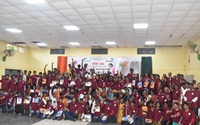
The ECO Summer Camp held at Don Bosco, Allurhatti on 11th – 14th April 2025. The four days of engaging sessions, practical activities and awareness programs of the ECO camp successfully encouraged the young participants to become responsible caretakers of the environment and organic farming. There were 60 participants of which 40 boys and 20 girls from 20 ECO clubs.
Theme for the ECO Summer camp 2025 was “A call to love the nature and be friend of each other.”
The Objectives of ECO Summer Camp were as follows: -
1. Make the school a plastic-free zone
2. Help students learn about organic farming and its benefits
3. how to make compost using worms (vermicompost)
4. Create and care for an eco-garden in the school
5. Assign duties to the ECO Club for garden care and other green tasks
6. Teach students about personal hygiene
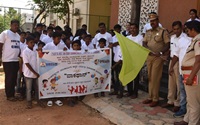
7. Raise awareness about saving water and climate change
8. The effects of the drug use and its related issues
9. Promoting ECO awareness through social media.
10. Encourage students to keep the school clean through teamwork
THE INAUGURATION OF THE ECO SUMMER CAMP
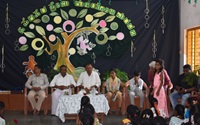
The ECO Camp was inaugurated on 11th April by Sri Rajanayak, President of the Allur Grama Panchayat in the esteemed presence of Sri Parameshwara Naik (Vice President of the Grama Panchayat), Fr. Regi Jacob (Director, Don Bosco Davangere) and Mr. Chandrashekar H (Zonal Forest Officer, Davangere). Mr. Honnappa M, Coordinator of the ECO Project, introduced the theme of the camp and compered the inaugural ceremony. A prayer song was performed by Mrs. Renukamma, Community Organizer (CLEP). Mr. Nataraj, Social Activist from Don Bosco Davangere welcomed the gathering warmly. In his introductory speech, Fr. Regi Jacob emphasized the purpose of the four days ECO Summer Camp—to protect and nurture the environment through organic farming and building a plastic-free society. The ceremony concluded with a vote of thanks by Mrs. Lokamma, Community Organizer (CLEP).
Soon after the inauguration, the teams were divided into 6 groups consisting of 10 participants.
The Various sessions during the four days camp were as follows: -
Day – 1 - first session
Date – 11th April 2025
The first session was led by Mr. Chandrashekar H, who began by engaging the students with simple questions to raise awareness regarding the environment. He asked about the meaning of ECO, how we can protect forest and what are steps we can undertake to save them.
He explained the vital role of forest play in our lives in helping to maintain the balance of nature and support all living beings. He encouraged students to take small but meaningful actions like: Planting trees, avoiding deforestation, Spreading awareness about forest conservation. He explained the various causes for environmental destruction like Population explosion, Industrial Revolution, Use of Vehicles, Demolition of Revenue land and Forest Land, Problems of using Plastic etc. His session inspired students to become active protectors of the environment.
After the session- the children were given chances to ask and clarify the doubts of which siddesh from kenchanahalli school shared his opinion that he has already grown ECO garden in the school and after the attending these sessions he said that he would like to grow many more plants and take care of them.
Day – 1 - second session
Date – 11th April 2025
The second session was on Healthy body leads to Healthy environment. Mrs. Savitha, Primary health Department, Alurhatti was the resource person of the day. She imparted the children how we should maintain cleanliness that helps us to maintain our surroundings clean and hygiene. She also told children to take sufficient intake of water and use water sparingly. She said that grow plants and that will provide sufficient oxygen for our wellbeing. As we take care our body and we need to take care our environment so that our live will be meaningful. Using charts and examples the session was effective. One of the participants by name Palakshamma from yeragunte school shared her opinion that hereafter she will keep the surroundings clean and also personal hygiene.
Day – 2 First session
Date – 12th April 2025
The first session of the second day focused on organic farming and the importance of school gardening. The session was led by Mr. Heeryanaik, who has two years of professional experience in ECO gardening. He shared practical knowledge from his own experience with home gardens using earthworms in improving soil quality for example 1 kg of earthworm placed in the compost pit could make a natural manure with in a 28 to 30 days, how much soil is needed to start a garden and what types of natural fertilizers can be used accordingly. His session gave students a hands-on understanding of how to create and maintain an organic garden. At the end of the session, two students Govardhan and Yashwant shared their idea of creating a compost pit in the school to produce natural fertilizer for the ECO Garden which was appreciated by all the participants. He also suggested to make use of the ECO project for developing the ECO garden in the school.
Day – 2 Second session
Date – 12th April 2025
The second session of the day focused on the serious issue of drug addiction and its harmful impact on young people. Mr. Manjappa B, social worker led the session using informative charts and engaging explanations.He discussed the health problems caused by drug abuse includes Skin diseases, Cancer, Heart problems, Insomnia, Allergies, Apathy, Lack of concentration etc. Mr. Manjappa shared alarming statistics: 16 crore people in India are addicted to drugs, 30 million use Ganja (marijuana), 3.4 crore are addicted to Bhangi. He used real-life examples and stories to show how drug addiction affects individuals and families. He also offered practical advice on how to recognize, prevent and overcome addiction, encouraging students to make healthy and informed choices in life.
Day – 3 First session
Date – 13th April 2025
The third day of the first Session was on promoting ECO awareness through social media. The resource person was Fr. Arun Kumar (MSW). He highlighted that social media is a powerful tool to spread awareness about environmental issues and encourage eco-friendly habits. By using platforms like Instagram, Facebook, YouTube and WhatsApp, we can reach a wide audience and inspire them to take action for safe guarding the environment.
Some of the key points highlighted as share videos and tips about climate change, waste management, organic farming, tree planting and water conservation, etc. Create and Share Inspiring Stories and online programmes to save nature. Share eco tips to make compost at home, reuse plastic or create eco-friendly products through reels or short videos.
Use social media to invite people to eco camps, plantation drives, webinars, or clean-up events. And in the end create Eco clubs online to share updates, ideas and track eco activities.
Day – 3 Second session
Date – 13th April 2025
The second Session of the third day was on the topic of Basic duties and responsibilities of children towards environment. The resource person was Mr. Dinesh K N, social worker. He started the session with a short skit on cutting tree and its effects. He explained some of the basic duties towards nature as follows as Always throw waste in dustbins and keep surroundings clean, turn off taps when not in use and avoid wasting water, plant trees and help in tree planting drives and water plants regularly. Avoid Using Plastic bags, bottles and straws. Use cloth or paper alternatives. Reuse old items and help separate waste for recycling, Keep Your School and Home Green and Take part in gardening and cleanliness drives. Use Eco-Friendly Materials like pencils, paper, and other school supplies made from recycled materials. Be an Eco-Friendly Example by Teaching friends and family how to care for nature. In the end, do not harm plants or animals, treat all living things with care.
Day – 4 First session
Date – 14th April 2025
The first Session of the fourth day on the topic of usage of water and global warming
The resource person was Mr. Nataraj N, Social Worker. He emphasized on water usage which is one of the most precious natural resources. We use water for drinking, for agriculture to grow crops, industries for production, for cleaning, washing clothes and gardening. But sadly, a lot of water is wasted every day. He also explained how to save water like Turn off taps when not in use, Fix leaks at home and school, use a bucket instead of a hose to wash, Reuse water where possible example for watering the plants. Secondly, he explained the global warming rises due to pollution and human activities. Some of the Causes for global warming were Burning of coal, petrol and diesel, Cutting down trees (deforestation), Pollution from factories and vehicles, Excessive use of electricity and plastic. The resource person gave tips as children how we can help to stop global warming were Plant trees and take care of greenery, Walk or cycle instead of using vehicles for short distances, use less electricity – switch off fans, lights and gadgets and say no to plastic and support eco-friendly habits
Day – 4 Second session
Date – 14th April 2025
Mr. Durugappa R, CLEP Coordinator spoke about strengthening the ECO clubs through child rights clubs. He explained that Children’s Clubs are safe spaces where children can come together, express themselves and take part in meaningful activities. Some of the rights of the children were as follows - Every child has the right to share their ideas and be involved in decisions, every Members should receive correct and age-appropriate information about issues that affect them. All members should feel safe and protected from harm, bullying or discrimination. All children regardless of gender, caste, religion, or ability, should be treated equally. Children have the right to learn about their rights, responsibilities, and issues in their community. Children can express their views freely through speaking, writing, drawing, or drama. how these clubs are formed, what activities they do, and how children can take part in advocacy to bring positive changes in their schools and communities.
The session also included group activities where children practiced speaking about issues that matter to them. The main message was that children have the right to participate and that their voices can make a real difference. During the session, a boy named Siddesh shared his plan to make use of the knowledge he had gained about child rights. He said that he would take action the very next day by informing the Gram Panchayat about the lack of basic facilities in his school. His proactive attitude reflected a strong understanding of his rights and the importance of speaking up for change. Siddesh’s example highlighted how awareness and encouragement through Children’s Rights Clubs can empower children to become advocates for their own well-being and the betterment of their communities.
OTHER ACTIVITIES OF THE CAMP
During the 4-day summer camp, various competitions were held for the children every day were as follows Morning yoga, Meditation, Physical exercise, Indoor games, Outdoor games, Rain Dance, nature Drawing Competition, Cultural Activities, Fancy Dress Competitions, View of ECO Garden, Treasure hunt and Camp Fire. The ECO summer camp concluded with the Prize Distribution to the winners and participation certificate were distributed to all the children.
IMPACT AND OUTCOME OF THE ECO SUMMER CAMP
The ECO Summer Camp held at Don Bosco, Allurhatti, created a meaningful and lasting impact on the children, school environment and surrounding community. Some of the feedback of the students were listed out as follows -
• Meghana from Kadajji School, Davangere expressed that 4 days of the Eco project were very useful for us. We will go back to school and inform the other children about it.
• The camp encouraged active student participation and leadership through group discussions, idea-sharing and public speaking during sessions and activities.
• Rohini from Yaragunte School, Davangere. She spoke about the camp and said that the topics related to the environment and environmental protection methods in this camp were good and she said that she would implement these ideas in her school.
• Environmental Awareness Among Children Increased Children learned about organic farming, forest conservation, waste management, and climate change through interactive sessions with experts.
• Bharat from Melakatte school, Davangere. He said that he has learned very valuable things in this camp, i.e. environmental protection. The eco camp was very informative and lot of tips were given. When I get back to school, I would put into use all what I learned in the camp.
• Health and Social Awareness Sessions on personal hygiene, drug abuse prevention and social media use helped children make healthier life choices and develop social responsibility.
• The idea of building a compost pit and maintaining an ECO Garden will be initiated by the students when the go to school.
• Formation of a Stronger ECO Club will help the member to achieve their goal and inspire members to lead regular eco-friendly activities.
.JPG)
.JPG) Back
Back